Search

Northern Lakes in a Changing Climate Workshop

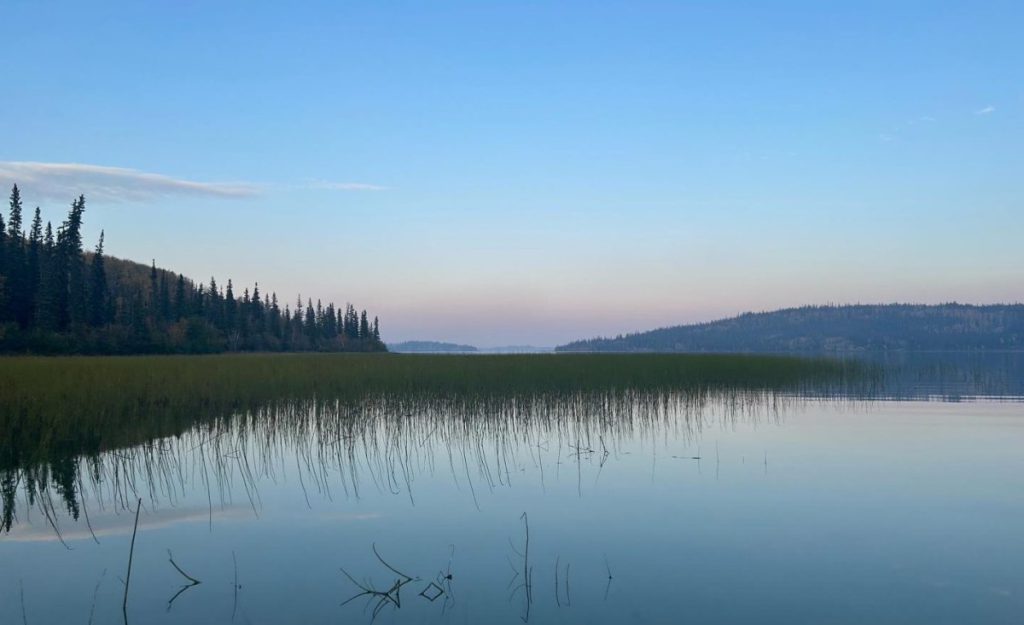
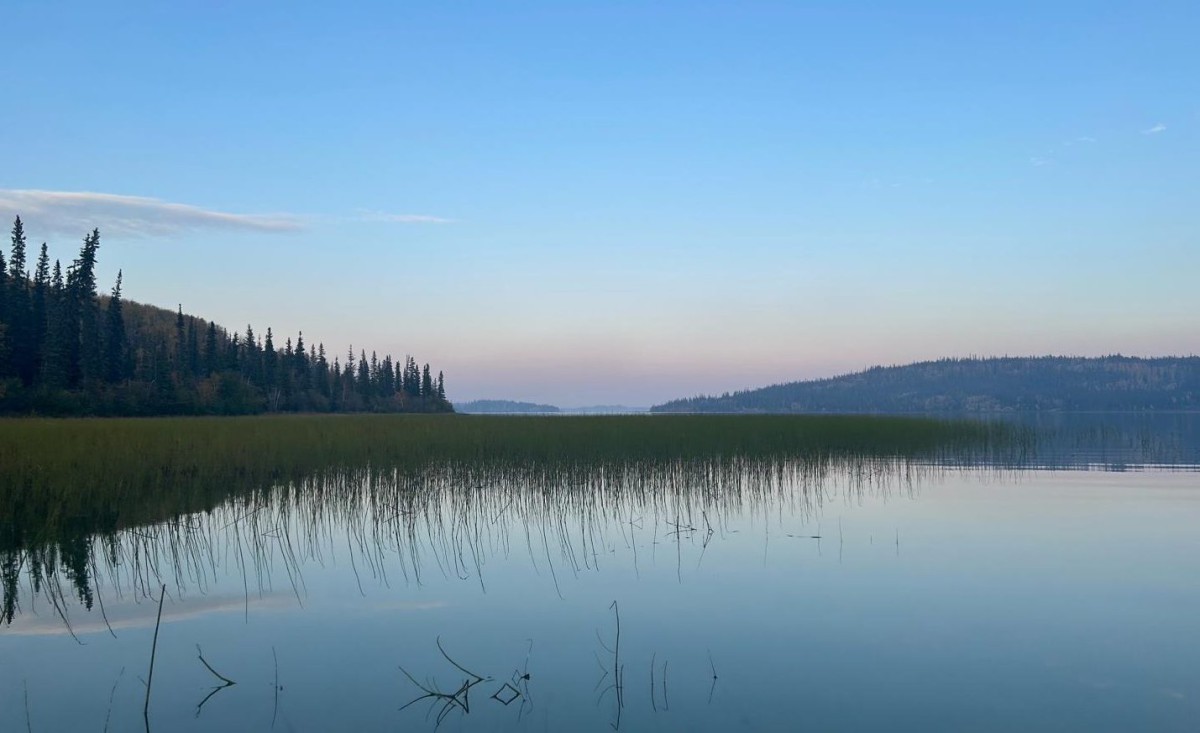
               On Monday, November 24, 2025, the North Slave Research Centre (NSRC), the Yellowknife branch of the Aurora Research Institute (ARI), hosted the Northern Lakes in a Changing Climate Workshop. The workshop highlighted the vital role lakes play in cultural, subsistence, and recreational life, as well as the growing pressures they face from climate change, municipal development, and industrial activities. It provided a platform for sharing new research and fostering dialogue between scientists and the people and organizations whose decisions shape the future of water resources in the Northwest Territories.

               Presentations at the workshop spanned a diverse range of topics, including long-term trends in ice and snow cover, the impacts of permafrost thaw on small lakes, emerging concerns about broad-scale eutrophication, and the legacy effects of historical mining on lake chemical and biological recovery. Sessions were complemented by discussions on how new findings could inform decision-making across the region, providing an important opportunity for collaboration and knowledge exchange. The workshop highlighted both emerging and persistent threats to northern lakes and set the stage for continued research and engagement.

               The event was organized collaboratively by the NSRC (Aurora Research Institute, Aurora College), the Paleoenvironmental Research Group (York University), and the Engineering Sustainable Change Research Group (Queen’s University), with funding support from the ArcticNet Northern Research Leaders Program. The event was attended by researchers and students from the organizing groups, as well as representatives from Canada Water Agency, City of Yellowknife Public Works and Engineering, Crown-Indigenous Relations and Northern Affairs Canada, Environment and Climate Change (GNWT), Dechı̨ta Nàowo (Yellowknives Dene First Nation), Giant Mine Oversight Board, Health and Social Services (GNWT), Mackenzie Valley Environmental Impact Review Board, Mackenzie Valley Land and Water Board, McGill University, North Slave Metis Alliance, Northwest Territories Geological Survey, Rio Tinto, University of Alberta, and University of Saskatchewan.

Strengthening Research Capacity: RSO’s Impact at Aurora College

The Research Services Office (RSO) was established at Aurora College in the research division, Aurora Research Instituted (ARI). As it builds research capacity across Aurora College, it is supported with three research centres:

  • Western Arctic Research Centre (Inuvik)
  • North Slave Research Centre (Yellowknife)
  • South Slave Research Centre (Fort Smith)

Under the Director of Research Services there are 10 staff positions, which include compliance for research ethics, animal care, as well as key roles to coordinate research grants and to facilitate research development. The RSO works in collaboration with research data management which is staffed out of the College Library services.

The Vice President Research oversees the RSO, in particular with all staff reporting directly to them in the absence of the Director. Starting in 2024, the RSO was able to capture funds for the newly designed Grants and Awards Program which had previously flowed to external researchers. Aurora College also was recently awarded a federal Natural Sciences and Engineering Research Council Mobilize grant.

The RSO is currently implementing several key initiatives to provide effective services. These proactive approaches help ensure that the RSO provides relevant supports to uphold a strong Aurora College research community environment.

System modernization: RSO staff are exploring how the existing ROMEO research data management system can be replaced with a custom-designed and in-house-managed platform so that processes such as project tracking, metrics reporting, and data retention can be improved.

Funding successes: The RSO is happy to report the successful distribution of $50,000 in support through its Aurora College Grants and Awards Program for the 2025-2026 fiscal year, and $308,500 through its Mobilize Grant Program since its initiation in 2024. Aurora Research Institute and Aurora College researchers in all centre communities have received funding through these programs for diverse projects including assessing climate change effects on legacy mining-impacted landscapes around Yellowknife, equipment purchases for community-partnered water monitoring efforts at Tsu Lake, and knowledge mobilization activities on ARI-led and co-led research and monitoring programs around the Beaufort Delta Region.

Process improvements: The RSO is developing a dedicated SharePoint site for the college’s research division. This site will serve as a central hub, providing important resources to support pre- and post-award grant funding activities. The goal is to provide easy access to research-related documents such as program guides, institutional policies and procedures, and research project setup and reporting forms.

ARI Research Plan: Adding the development of a Research Plan, with measurable metrics, as a replacement for a stand-alone strategic plan, better aligns the research division within the College’s strategic pillars. Like the Academic Plan, the Research Plan will be an evergreen document to advance research across Aurora College.

Research Data Management (RDM) and Research Security (RS): These are topics that are also advancing through the RSO. While not mandated by the Tri-Agencies, the College is leading the adoption and implementation of RDM and RS at the College so that it is ready for the next generation of Artificial Intelligence and research collaborations.

INNOVATE – a new direction for Inuvik’s makers and artists  

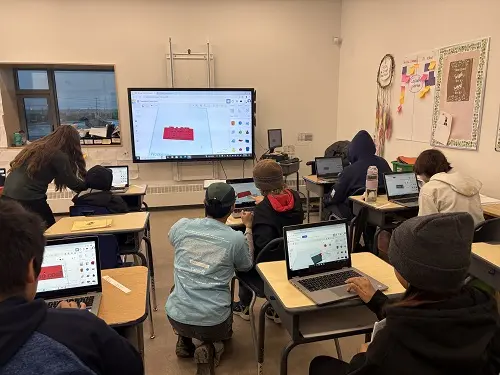
INNOVATE – Inuvik’s newest Makerspace and Digital Media Marketing Studio – is being revitalized by a team of three bright and eager new staff members. Recent renovations reflect a change in vision for the facility. What began as a Technology Access Centre, where community entrepreneurs could experiment with prototypes and new technologies, has evolved into a community-focused makerspace and digital marketing and media studio. INNOVATE today is a place where community makers feel welcome and have the opportunity to help others learn and design with our high-tech tools. Applications are now open online for 2026-2027.

Recent upgrades include a new interior layout with signage that makes it easier for users to locate the creative activities they wish to practise. New QR-code-based membership cards and a more prominent front desk with friendly, knowledgeable staff help direct visitors to all activities available as soon as they walk in the door.

Upon arrival, visitors will also notice our equipment is better labelled. All equipment is now marked with informative labels and QR-codes which connect users to a database of local tips left by other members. These upgrades aim to help builders discover tools we have available, what they do and how to properly use them.

Other new features at INNOVATE include a new membership pricing structure that makes the facility more accessible to busy, part-time designers who only drop in occasionally.

Looking ahead, INNOVATE’s guiding goal is to build stronger relations between Aurora College and other partners including the Town of Inuvik, the Inuvialuit Regional Corporation and the Gwich’in Tribal Council. Stronger ties with our community partners will ensure the sustainability of the centre, will attract and keep highly skilled and dedicated staff, and continue building a community of builders in the Inuvik region.

 By developing a community of applied makers, INNOVATE is contributing to economic activity in Inuvik and the surrounding region and advancing the regional economy. Aurora College will be working with INNOVATE staff, local governments, centre members and other interested parties, to establish clubs that are well-vetted with knowledgeable members can take on some responsibility for equipment upkeep, database of maintenance records and other outstanding needs.

To learn more, please visit INNOVATE – Centre for Arts, Crafts and Technology – INNOVATE Centre for Arts, Crafts and Technology | Aurora Research Institute


Why Research Partnerships Matter at Aurora College

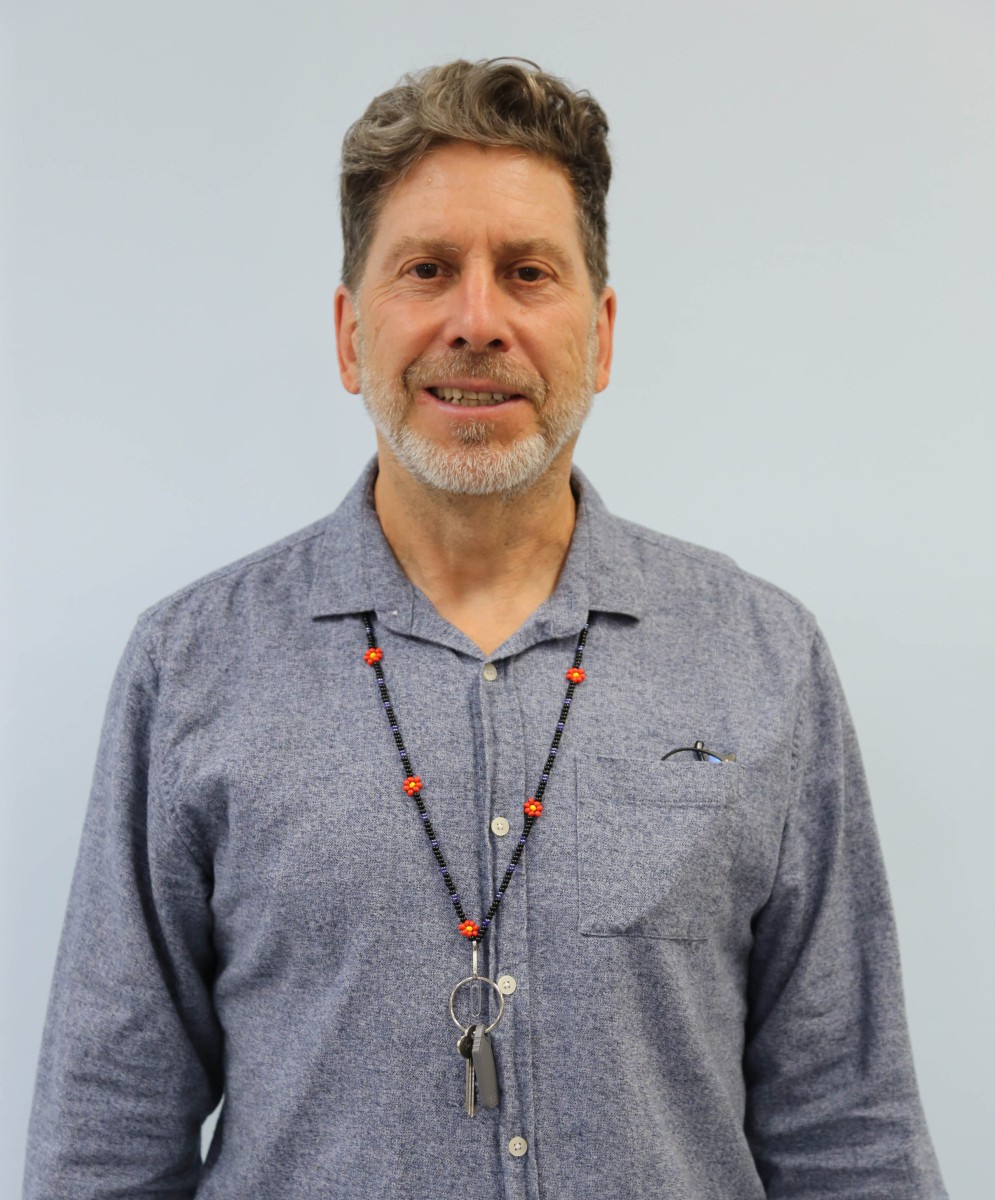
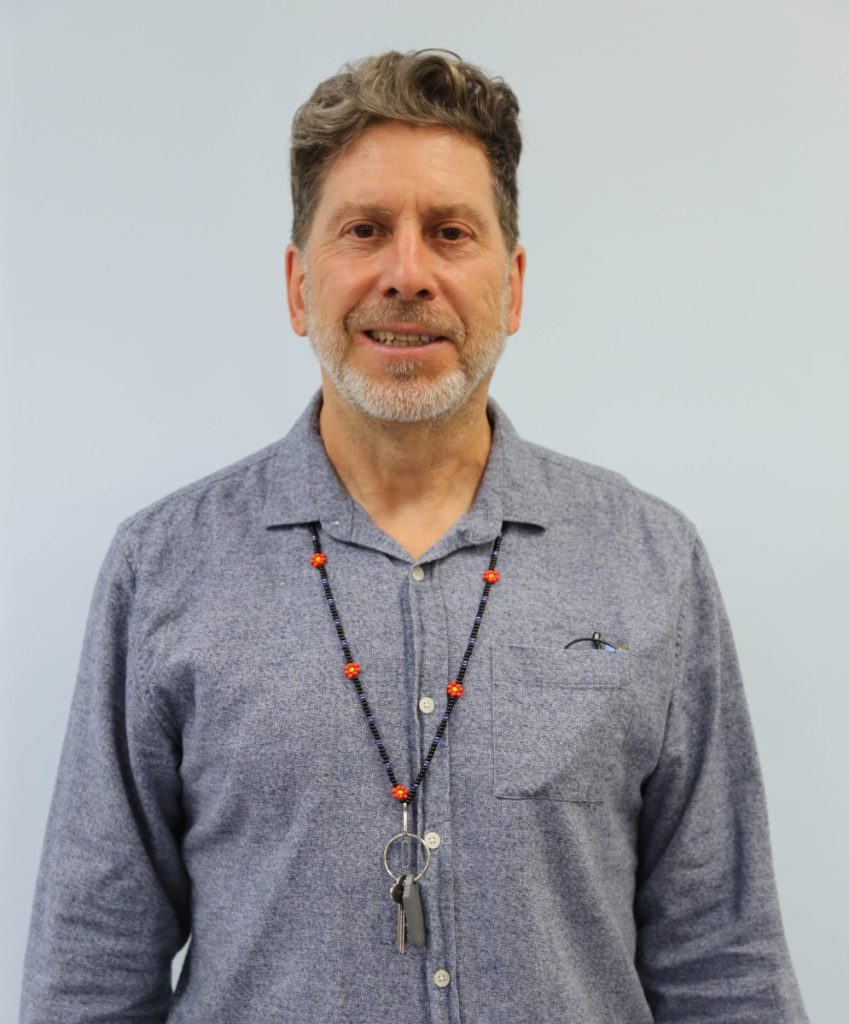
Chris Paci, Vice President, Research

As Vice President Research, my role includes working with the College research community, northern researchers, funding agencies, and partners across a host of disciplines.

A key part of my role is facilitating and advancing good partnerships that build northern applied research capacity. The Aurora Research Institute (ARI), which is the research division of Aurora College, promotes research and innovation in the Northwest Territories.

Our work is most successful when we develop partnerships naturally through outreach by College staff and by being receptive to requests and concerns from outside organizations, including with government, industry, and northern communities.

Research also attracts more research, and a cadre of researchers are often needed to tackle large persistent issues like climate change. Aurora College is made up of three research centres – South Slave Research Centre (SSRC), North Slave Research Centre, and the Western Arctic Research Centre. They are staffed by talented, smart northerners who are constantly engaging with the external research community, including with governments and partners across the North. The work we do with Indigenous governments is a top priority for us.

While a good deal of the College services and staff are funded by the Government of the Northwest Territories, research is largely supported by external funding. By listening to northern concerns and translating those issues into project proposals, we are able to attract academic funding. By bringing in research dollars from sources like the Natural Sciences and Engineering Research Council, CanNor, or the Social Sciences and Humanities Research Council), Aurora College adds to the overall Territorial economy – money which would otherwise be spent in southern Canada.

In research areas where Aurora College does not have academic training programs, or internal researchers dedicated to those subjects, we look for opportunities to build these. ARI’s core mission is to support Indigenous community research capacity. Aurora College addresses any gaps we may have outside partnerships by engaging with a particular focus involving graduate students and northern students studying in the south. Our hope is that by attracting these students to work in the North that they will stay long-term and make it home.

Innovative Practices

Aurora College is constantly seeking out innovative practices and new technologies that can be applied in the North to in the North, to understand research problems. We look for resources that can be used to study and produce outcomes for policymakers and governments that will improve the quality of life. It is one of the biggest rewards of the job. As Vice President, Research, my typical week is varied and it can include internal and external funding reviews. My schedule often includes having meetings with Indigenous community members or external research partners with southern universities, or meeting with larger networks such as ArcticNet (we sit on the Board and are part of the Territorial Advisory Committee).

A big part of my role involves communicating the work we do. This can include writing articles (such as for our college newsletter), creating presentations for research-related workshops, (like the annual Northern Nursing Health Research Day) or preparing opening remarks for important events like the recent Northern Lakes in a Changing Climate Workshop.

Building good relationships to promote research takes considerable time and care. We measure the success of applied research projects with key indicators including social and cultural benefits to the north, economic returns and investments, solutions to problems, and mutually beneficial outcomes and opportunities. Research tends to lead to more research, and it can also lead to training and skills development.

Aurora College is part of a larger northern postsecondary ecosystem, alongside Yukon University and Nunavut Arctic College. It is also a key member of the broader Canadian postsecondary education community, with membership in Colleges and Institutes Canada and the Association of Canadian Universities for Northern Studies, among others.

Aurora College collaborates with international partners as well, with a membership with the University of the Arctic and many others. Our international work is important to advance monitoring and research on a number of fronts, contributing to a better understanding of long-range contaminants under the Stockholm Convention, work with the Northern Contaminants Program (we sit on the Territorial Contaminants Committee), as well as the Arctic Monitoring Assessment Program of the Arctic Council and so much more.

STEM Outreach program brings hands-on, fun learning to NWT students

October is Cyber Safety Awareness month, promoting ways Canadians can stay safe online. Aurora College’s STEM Outreach Program is offering a series of interactive classroom activities to help students in Grades 1–7 learn about online safety, encryption, and digital citizenship in fun and age-appropriate ways.

The STEM Outreach Program is dedicated to inspiring and empowering youth across the Northwest Territories through engaging, hands-on science, technology, engineering, and mathematics (STEM) education. Over the past eight years, the Outreach team has provided high-quality STEM programming to approximately 8,000 JK–Grade 12 students each year, with a strong focus on reaching remote and underserved NWT communities.

Led by a team of three full-time staff and additional part-time educators based in Inuvik, Yellowknife, and Fort Smith, the program strives to remove some of the financial and regional barriers to STEM education by providing all STEM programming for free. Through in-class visits, after-school programs, and remote activities, the STEM Outreach program ensures that all youth across the NWT have access to meaningful STEM experiences.

Innovative initiatives such as the award-winning “Train the Teacher, Loan the Gear” program equip educators with the tools and confidence to integrate STEM into their classrooms. The Outreach Team also hosts events such as Community Science Nights, Science Rendezvous, and Geoweek, as well as providing resources for summer camps, libraries, and youth centres.

Educators and community groups: Reach out to the STEM Outreach team at: outreach@nwtresearch.com .

Aurora College Receives $140,000 to Enhance STEM Outreach Across the Northwest Territories

December 6, 2024

Aurora College Receives $140,000 to Enhance STEM Outreach Across the Northwest Territories

FORT SMITH, NT – Aurora College’s Science, Technology, Engineering and Math (STEM) Outreach program received a $140,000 contribution from Actua to support and expand STEM programming and outreach activities across the Northwest Territories.

The STEM Outreach Program, led by the Aurora Research Institute (ARI), will also use the funding to add an Outreach Technician to the team in Inuvik. The new role, filled by an early-career Northerner, will foster opportunities for local engagement and community-led STEM initiatives.

The Actua funding will help Aurora College reach more than 6,000 youth and 100 educators in 20 communities through events, classroom activities and STEM professional development sessions for teachers. In addition to classroom-based activities, the STEM Outreach team offers accessible, year-round STEM engagement through partnerships with local community groups and initiatives, such as the Inuvik Coding and Robotics Club, the Fort Smith TinkerLab and land-based programming.

This STEM outreach underscores Aurora College’s commitment to cultivating a vibrant, inclusive STEM culture throughout the Northwest Territories. By building on partnerships and prioritizing local engagement, Aurora College continues to inspire young people to explore STEM fields, fostering skills and confidence that will empower them to pursue science and technology careers in their home communities.

Quote:
With this support from Actua, Aurora College is able to bring STEM education to life for young people, fostering curiosity, resilience, and pride in their abilities. This funding is a deep investment in Northern communities, helping Indigenous youth see a future for themselves in science and technology, right here in the Northwest Territories.”

– Dr. Chris Paci, Vice President Research, Aurora College

 “Each year, the Actua network engages 500,000 youth in 600 communities across the country. Aurora Research Institute STEM Outreach Program at Aurora College is an integral part of this national impact and together, we will continue to relentlessly remove barriers so that all youth can be engaged in STEM.”

– Jennifer Flanagan, CEO of Actua

Actua is a leading Canadian science, technology, engineering and mathematics (STEM) youth outreach organization. Each year, the Actua network engages over 500,000 youth in 600 communities across Canada in transformative STEM learning experiences that build critical skills and confidence. Actua focuses on engaging equity-deserving youth through specialized programs for Indigenous youth, girls and young women, Black youth, youth facing economic barriers and youth living in Northern and remote communities. Its major funding partners include the Government of Canada, RBC Foundation, Suncor Energy Foundation, TD Bank Group, Google.org, Toyota Canada Foundation, Enbridge, Cenovus, CIBC Foundation, Coveo, Scotiabank, Mastercard and Imperial. For more information, visit actua.ca.


Le 6 décembre 2024

Le Collège Aurora reçoit 140 000 $ pour la promotion des STIM dans l’ensemble des TNO

Fort Smith, TNO – Le programme de promotion des sciences, de la technologie, de l’ingénierie et des mathématiques (STIM) du Collège Aurora a reçu une subvention de 140 000 $ de la part d’Actua afin de soutenir et d’élargir les programmes de STIM et les activités de promotion dans l’ensemble des Territoires du Nord-Ouest.

Le programme de promotion des STIM, dirigé par l’Institut de recherche Aurora (IRA), utilisera également les fonds pour recruter un technicien de promotion au sein de l’équipe d’Inuvik. Ce nouveau poste, confié à un Ténois en début de carrière, permettra de favoriser les occasions d’échanges à l’échelle locale et les initiatives de STIM menées par les collectivités.

Le financement d’Actua aidera le Collège Aurora à atteindre plus de 6 000 jeunes et 100 éducateurs dans 20 collectivités grâce à des événements, des activités en classe et des séances de perfectionnement professionnel en STIM pour les enseignants. En plus des activités en classe, l’équipe du programme de promotion des STIM propose des activités de STIM accessibles tout au long de l’année au moyen de partenariats avec des groupes communautaires locaux, comme le club de codage et de robotique d’Inuvik (Inuvik Coding and Robotics Club), le TinkerLab de Fort Smith et des projets dans la nature.

Ces activités de promotion des STIM soulignent l’engagement du Collège Aurora à favoriser une culture STIM dynamique et inclusive dans l’ensemble des Territoires du Nord-Ouest. En s’appuyant sur des partenariats et en donnant la priorité à la participation locale, le Collège Aurora continue d’inciter les jeunes à explorer les domaines des STIM, en leur inculquant des compétences et une confiance qui leur permettront de poursuivre des carrières scientifiques et technologiques dans leur collectivité d’origine.

Citation
« Grâce à ce soutien d’Actua, le Collège Aurora est en mesure de donner vie à l’enseignement des STIM pour les jeunes, en encourageant la curiosité, la capacité d’adaptation et la confiance en leurs capacités. Ce financement est un investissement important dans les collectivités du Nord, qui aide les jeunes Autochtones à envisager leur avenir dans le domaine des sciences et des technologies, ici même, aux Territoires du Nord-Ouest. »

– Chris Paci, Ph. D., vice-président à la recherche du Collège Aurora

« Chaque année, le réseau Actua fait participer 500 000 jeunes dans 600 communautés à travers le pays. programme STIM, par l’Institut de recherche Aurora à Collège Aurora fait partie intégrante de cet impact national et, ensemble, nous continuerons à éliminer sans relâche les obstacles afin que tous les jeunes puissent s’engager dans le domaine des STIM.»

– Jennifer Flanagan, directrice générale d’Actua.

Actua est l’un des principaux organismes canadiens de sensibilisation des jeunes aux sciences, à la technologie, à l’ingénierie et aux mathématiques (STIM). Chaque année, le réseau Actua engage plus de 500 000 jeunes dans 600 communautés à travers le Canada dans des expériences d’apprentissage STIM transformatrices qui renforcent les compétences essentielles et la confiance en soi. Actua met l’accent sur l’engagement des jeunes en situation d’équité en proposant des programmes spécialisés pour les jeunes Autochtones, les filles et les jeunes femmes, les jeunes Noirs, les jeunes confrontés à des obstacles économiques et les jeunes vivant dans des communautés nordiques et éloignées. Ses principaux partenaires financiers comprennent le gouvernement du Canada, la Fondation RBC, la Fondation Suncor Énergie, le Groupe Banque TD, Google.org, la Fondation Toyota Canada, Cenovus, la Fondation CIBC, Enbridge, la Banque Scotia, Coveo, Mastercard et l’Impériale. Pour en savoir plus, visitez actua.ca/fr.

$1.5 Million College and Community Innovation (CCI) program Mobilize grant to expand applied research at Aurora College

October 10, 2024

$1.5 Million College and Community Innovation (CCI) program Mobilize grant to expand applied research at Aurora College

INUVIK, NT – Aurora College received $1.5 million over five years through Tri-Agencies, CCI program for a Mobilize grant, administered by the Natural Sciences Engineering and Research Council (NSERC). The funding is to provide flexible, targeted funding for the college’s applied research programs aimed at expanding faculty engagement, student training and community innovations.

In addition to the research capacity the grant, “Mobilizing Applied Research in a Changing NWT”, will bring to the college it also supports partnerships with local and Indigenous communities in the NWT, expanding applied research initiatives that explore the evolving needs of NWT residents and communities. As the NWT continues to diversify its economy, new opportunities are emerging that build on resource extraction, as well as expanding the innovation agenda. New labour market opportunities and demands will be supported by the grant that includes strengthening the knowledge economy. The grant will allow Aurora College to expand applied research in all areas, to establish research that builds partnerships and knowledge mobilization.

This announcement will help drive the sustainable development of the NWT and prepare a diverse skilled workforce for the future.

This funding will assist Aurora College to expand and enhance northern applied research programs that foster innovation, build local research capacity, and increase applied research opportunities for faculty, students and our partners. To achieve these goals, the college will use the funds to develop new applied research projects and improve existing ones, offer students valuable experiential learning opportunities in research alongside faculty, hire additional research staff, and cover some indirect research costs in shared projects with communities. New opportunities for students will include awards and paid research opportunities to students annually, beginning in the 2025-2026 academic year. In addition to supporting students, the grant will allow the college to provide release time to faculty to engage in research activities.

The grant establishes a Partnership Development Fund and a Knowledge Mobilization Fund to further collaborative research with northern and Indigenous organizations and partners. A key aim of both Funds will be to ensure research addresses regional priorities, with special focus on building Indigenous capacity and sustainable development. The Mobilize Grant is one of eight announced recently by the Natural Sciences and Engineering Research Council of Canada (NSERC). NSERC is the major federal agency responsible for funding natural sciences and engineering research in Canada. NSERC, combined with the Social Sciences and Humanities Research Council (SSHRC) and the Canadian Institutes of Health Research (CIHR), forms the major source of federal government funding to post-secondary research.

Quotes:

 This significant investment enables Aurora College to further our commitment to applied research that addresses the unique challenges and opportunities of the Northwest Territories. By strengthening our research capacity and providing our students with hands-on applied research and learning experiences, we are preparing them to contribute meaningfully to the region’s economic transformation.”

– Dr. Angela James, President, Aurora College

“The NSERC Mobilize Grant will allow us to diversify our collaboration with local and Indigenous research partners, ensuring that our applied research reflects and responds to the priorities of the communities we serve. This grant will not only support cutting-edge applied research but also help develop a skilled workforce that will drive innovation and sustainable development across the North.”

– Dr. Chris Paci, Vice President of Research, Aurora College


10 octobre 2024

Subvention de mobilisation de 1,5 million de dollars du Programme d’innovation dans les collèges et la communauté (ICC) pour développer la recherche appliquée au Collège Aurora

Inuvik, TNO – Le Collège Aurora a reçu 1,5 million de dollars sur cinq ans par l’intermédiaire du Programme d’ICC des trois organismes sous la forme d’une subvention de mobilisation, administrée par le Conseil de recherches en sciences naturelles et en génie (CRSNG). La subvention est destinée à offrir un financement souple et ciblé aux programmes de recherche appliquée du Collège visant à mobiliser le corps enseignant, à former les étudiants et à favoriser l’innovation dans les collectivités.

Outre le renforcement des capacités de recherche du Collège, la subvention « Mobilizing Applied Research in a Changing NWT » (Mobiliser la recherche appliquée dans des TNO en mutation) soutiendra également les partenariats avec les collectivités locales et autochtones des TNO, en développant les initiatives de recherche appliquée qui explorent leurs besoins en constante évolution. Alors que les TNO continuent de diversifier leur économie, de nouvelles occasions se profilent à l’horizon, lesquelles s’appuient sur l’extraction des ressources, ainsi que sur l’élargissement du programme d’innovation. La subvention permettra de répondre aux nouvelles occasions et demandes du marché du travail, notamment en développant l’économie du savoir. Elle permettra au Collège Aurora de développer la recherche appliquée dans tous les domaines, et de mettre en place des recherches qui permettent de créer des partenariats et de mobiliser les connaissances.

Cette subvention contribuera au développement durable des TNO et à la formation d’une main-d’œuvre qualifiée et diversifiée.

De plus, cette subvention permettra au Collège Aurora d’étendre et d’améliorer les programmes de recherche appliquée du Nord qui favorisent l’innovation, renforcent les capacités de recherche locales et multiplient les occasions de recherche appliquée pour le corps enseignant, les étudiants et nos partenaires. Pour atteindre ces objectifs, le Collège utilisera les fonds pour développer de nouveaux projets de recherche appliquée et améliorer les projets actuels, offrir aux étudiants de précieuses occasions d’apprentissage par l’expérience dans la recherche aux côtés des professeurs, embaucher du personnel de recherche supplémentaire et couvrir certains coûts indirects de la recherche dans des projets communs avec les collectivités. Les nouvelles occasions pour les étudiants comprendront des bourses et des possibilités de recherche annuelles rémunérées à partir de 2025-2026. En plus de soutenir les étudiants, la subvention permettra au Collège d’accorder du temps libre aux professeurs pour qu’ils puissent participer à des activités de recherche.

La subvention établit un Fonds de développement des partenariats et un Fonds de mobilisation des connaissances pour favoriser la recherche collaborative avec des organismes et des partenaires nordiques et autochtones. L’un des principaux objectifs des deux fonds sera de veiller à ce que la recherche réponde aux priorités régionales, en mettant l’accent sur le renforcement des capacités autochtones et le développement durable. Cette de subvention de mobilisation est l’une des huit subventions annoncées récemment par le Conseil de recherches en sciences naturelles et en génie du Canada (CRSNG). Ce dernier est le principal organisme fédéral chargé de financer la recherche en sciences naturelles et en ingénierie au Canada. Le CRSNG, ainsi que le Conseil de recherches en sciences humaines (CRSH) et les Instituts de recherche en santé du Canada (IRSC), constituent la principale source de financement du gouvernement fédéral pour la recherche postsecondaire.

Citations

« Cet investissement important permet au Collège Aurora de poursuivre son engagement dans la recherche appliquée qui répond aux défis et aux occasions uniques des Territoires du Nord-Ouest. En renforçant notre capacité de recherche et en offrant à nos étudiants des expériences pratiques de recherche appliquée et d’apprentissage, nous les préparons à contribuer pleinement à la transformation économique de la région. »

– Angela James, Ph. D., présidente du Collège Aurora

« La subvention de mobilisation du CRSNG nous permettra de diversifier notre collaboration avec des partenaires de recherche locaux et autochtones, afin que notre recherche appliquée réponde aux priorités des collectivités que nous servons. Cette subvention permettra non seulement de soutenir la recherche appliquée de pointe, mais aussi de développer une main-d’œuvre qualifiée qui sera le moteur de l’innovation et du développement durable dans le Nord. »

– Chris Paci, Ph. D., vice-président à la recherche du Collège Aurora             

Aurora College Hosting Research Data Management (RDM) Workshops in Fort Smith, Inuvik and Yellowknife

September 11, 2024

Aurora College Hosting Research Data Management (RDM) Workshops in Fort Smith, Inuvik and Yellowknife

INUVIK, NT – Aurora College will host a series of Research Data Management (RDM) workshops in October 2024 in Fort Smith, Inuvik, and Yellowknife. Funded by a grant from the Social Sciences and Humanities Research Council of Canada (SSHRC), these workshops aim to enhance RDM awareness and capacity within the Northwest Territories (NWT) research community.

The workshops will focus on establishing a strong foundation in RDM practices and providing hands-on training with practical tools and techniques. Each two-day workshop will feature introductory and community sessions followed by comprehensive, hands-on training. The workshops are designed for anyone who works with or has an interest in research data; researchers, post-secondary students and faculty members, and the public are welcome to attend.

In addition to the in-person workshops in October, Aurora College will host a virtual RDM Speaker Series throughout November 2024. Led by RDM experts specializing in various fields, these sessions will offer further training and insights to enhance participants’ skills and knowledge.

The virtual sessions are accessible to the wider NWT research community, enabling participants to join remotely and benefit from expert insights without the need to travel. All sessions will be live-streamed, with recordings available afterward for those unable to attend live. Additional programming details will be shared as they become available.

Workshop Schedule and Locations

Inuvik Workshop
Dates: October 1-2, 2024
Location: Aurora College Aurora Campus (Inuvik)

  • October 1: Morning session – Introduction to Research Data Management (RDM)
  • October 2: Half day (morning) Hands-on RDM training and practical exercises

Yellowknife Workshop
Dates: October 3-4, 2024
Location: Aurora College Yellowknife North Slave Campus

  • October 3: Morning session – Introduction to Research Data Management (RDM)
  • October 4: Morning – Hands-on RDM training and practical exercises

Fort Smith Workshop
Dates: October 7-8, 2024
Location: Aurora College Thebacha Campus

  • October 7: Morning session – Introduction to Research Data Management (RDM)
  • October 8: Half day- Hands-on RDM training and practical exercises

Registration and Partner Information For more information and to register for the workshops, visit https://auroracollege.libguides.com/RDM/workshops or contact Melanie.Adams@auroracollege.ca  Spaces are limited, so early registration is encouraged. For more information on RDM partners see below:

Supporting Partners

Aurora College acknowledges the invaluable support of the following partners, whose collaboration is essential in making the Research Data Management (RDM) workshops and virtual series a success:

  1. Inuvialuit Regional Corporation (IRC)
  2. Gwich’in Tribal Council (GTC)
  3. Dechinta Centre for Research and Learning
  4. Hotıì ts’eeda
  5. Sahtu Renewable Resource Board
  6. Government of Northwest Territories
  7. Wilfrid Laurier University
  8. University of Alberta
  9. Institute for Circumpolar Health Research (ICHR)

Quotes:

“We are excited to offer these Research Data Management workshops across the Northwest Territories. By providing hands-on training and expert-led discussions, we aim to strengthen the research community’s capacity to manage data effectively, ensuring the ethical and sustainable use of information across the north. The collaboration with our partners and the generous support from SSHRC will empower researchers, students, and community members to better engage with and contribute to the evolving landscape of research in the Northwest Territories.

– Dr. Chris Paci, Vice President of Research, Aurora College


Le 11 septembre 2024

Le Collège Aurora tiendra des ateliers sur la gestion des données de recherche à Fort Smith, Inuvik et Yellowknife

Inuvik (TNO) – Le Collège Aurora tiendra une série d’ateliers sur la gestion des données de recherche (GDR) en octobre 2024 à Fort Smith, Inuvik et Yellowknife. Financés par le Conseil de recherches en sciences humaines du Canada (CRSH), ces ateliers visent à améliorer la sensibilisation à la GDR et à renforcer celle-ci au sein de la communauté de recherche des Territoires du Nord-Ouest (TNO).

Les ateliers porteront sur l’établissement de pratiques de base solides en matière de GDR et offriront une formation pratique étayée par des outils et des techniques concrets. Chaque atelier durera deux jours, comprendra des séances d’introduction à la GDR et des séances communautaires, qui seront suivies d’une formation pratique complète. Les ateliers sont conçus pour toute personne qui utilise des données de recherche ou qui s’y intéresse. Nous invitons les chercheurs et les étudiants du postsecondaire ainsi que les membres du corps professoral et du public à s’inscrire.

En plus de présenter des ateliers en personne en octobre, le Collège Aurora tiendra une série de conférences en ligne sur la GDR tout au long du mois de novembre. Animées par des spécialistes de la GDR dans divers domaines, ces séances offriront aux participants une formation et des perspectives supplémentaires pour leur permettre d’améliorer leurs compétences et de parfaire leurs connaissances.

Les séances en ligne seront accessibles à l’ensemble de la communauté de recherche des TNO, permettant aux participants d’y assister à distance, et ainsi, de profiter des connaissances spécialisées des experts sans avoir à se déplacer. Toutes les séances seront retransmises en direct, et leur enregistrement sera disponible par la suite pour ceux qui ne pourront pas assister aux conférences en personne. Nous communiquerons plus de détails sur cette programmation au fur et à mesure qu’ils se présenteront.

Horaire et lieu des ateliers

Atelier à Inuvik
Dates : Les 1er et 2 octobre 2024
Lieu : Campus Aurora (Inuvik) du Collège Aurora

  • Le 1er octobre : Séance du matin – Introduction à la gestion des données de recherche (GDR)
  • Le 2 octobre : Demi-journée (matin) – Formation pratique sur la GDR et exercices concrets

Atelier à Yellowknife
Dates : Les 3 et 4 octobre 2024
Lieu : Campus du Slave Nord (Yellowknife) du Collège Aurora

  • Le 3 octobre : Séance du matin – Introduction à la gestion des données de recherche (GDR)
  • Le 4 octobre : Demi-journée (matin) – Formation pratique sur la GDR et exercices concrets

Atelier à Fort Smith
Dates : Les 7 et 8 octobre 2024
Lieu : Campus de Thebacha du Collège Aurora

  • Le 7 octobre : Séance du matin – Introduction à la gestion des données de recherche (GDR)
  • Le 8 octobre : Demi-journée (matin) – Formation pratique sur la GDR et exercices concrets

Inscription et renseignements sur les partenaires

Pour en savoir plus et pour vous inscrire aux ateliers, visitez le https://auroracollege.libguides.com/RDM/workshops ou écrivez à Melanie.Adams@auroracollege.ca. Inscrivez-vous dès que possible, car le nombre de places est limité. Pour en savoir plus sur les partenaires, veuillez lire le texte ci-dessous.

Partenaires de soutien Le Collège Aurora reconnaît l’apport inestimable des partenaires suivants, dont la collaboration est essentielle au succès des ateliers en personne et des conférences en ligne sur la gestion des données de recherche :

  1. Société régionale inuvialuite
  2. Conseil tribal des Gwich’in
  3. Équipe du Centre de recherche et d’apprentissage de Dechinta
  4. Hotıì ts’eeda
  5. Office des ressources renouvelables du Sathú
  6. Gouvernement des Territoires du Nord-Ouest
  7. Université Wilfrid-Laurier
  8. Université de l’Alberta
  9. Institut de recherche en santé circumpolaire

Citation

« Nous sommes heureux de présenter ces ateliers sur la gestion des données de recherche dans l’ensemble des Territoires du Nord-Ouest. En offrant une formation pratique et des échanges menés par des spécialistes, nous visons à renforcer la capacité de notre communauté de recherche à gérer efficacement les données, de façon à assurer l’utilisation éthique et durable de l’information dans le Nord. La collaboration avec nos partenaires et le généreux soutien du CRSH permettront aux chercheurs, aux étudiants et aux membres des collectivités de mieux s’impliquer dans le paysage en évolution de la recherche aux Territoires du Nord-Ouest, et d’y contribuer. »

– Chris Paci, Ph. D., vice-président à la recherche du Collège Aurora

Aurora College receives $347,683 for Research and Innovation projects

August 7, 2024

Aurora College awarded $347,683 for Research and Innovation projects

INUVIK, NT – The Natural Sciences and Engineering Research Council (NSERC) has awarded Aurora College’s Aurora Research Institute (ARI) two grants totalling $347,683. Part of Canada’s Applied Research and Technology Partnership (ARTI), the funds will support ground-breaking research and innovation projects, reinforcing ARI’s commitment to addressing critical issues in the Western Arctic and enhancing community engagement through applied research and training.

$152,140 will go to a project led by Dr. Garfield Giff, Research Chair Climate Change Adaptation, at Aurora College, to explore how Remote Piloted Aircraft Systems (RPAS) can be used to measure methane emissions in the Western Arctic. The aircraft systems can generate precise measurements of methane levels in the lower atmosphere, increasing the accuracy of data and giving decision-makers a better picture of how climate change is effecting the Northwest Territories (NWT).

$195,543 will support the expansion of the Northwest Territories Makerspace Ecosystem, led by Jennifer Rafferty, Manager of the Makerspace Ecosystem at Aurora College. The funds will go towards micro-manufacturing equipment, including direct-to-film printers, heat presses, laser engravers, laptops and Adobe design software licences. These resources will be packaged into community kits that will rotate among Makerspaces in small NWT communities. The project aims to foster creativity, innovation and small business development by providing artists, craftspeople and community members with access to state-of-the-art technology and training. The Makerspace Ecosystem has already demonstrated success in merging traditional Indigenous and northern methods with modern technologies, leading to increased demand for cultural products and growth in the regional arts and crafts economic sector.

The two ARTI grants represent a substantial investment in the future of research and innovation in the NWT. By advancing climate change research and supporting creative industries through cutting-edge technology and community engagement, Aurora College continues to drive forward-looking initiatives that benefit both local communities and the broader scientific community.

Quote:

“We are encouraged to receive these grants from NSERC ARTI, which underscore our commitment to addressing critical environmental and technological challenges in the Northwest Territories. The funding for methane detection using RPAS technology will enhance our understanding of climate dynamics, while the expansion of the Makerspace Ecosystem will empower northern communities with cutting-edge tools and foster local innovation.”

– Chris Paci, Vice President of Research, Aurora College

Quick Facts

  • One grant will go towards Dr. Garfield Giff’s project “A Remotely Piloted Aircraft Systems Platform for Methane Detection,” that measures methane emissions from thermokarst features, beaver dams and other natural and artificial sources in the Western Arctic.
  • One grant will go towards expanding Makerspaces across the NWT, led by Jennifer Rafferty, Manager of the Makerspace Ecosystem at Aurora College.

Links:
https://www.linkedin.com/feed/update/urn:li:share:7216442734008487936/
https://www.facebook.com/councilofcanadianacademies
https://x.com/cca_reports/status/1810676650322940109

— 30 —

Aurora College delivers academic upgrading, trades and industrial training, certificate, diploma and degree programs to students at three campuses, 19 Community Learning Centres and other community sites in the Northwest Territories. Community-centred post-secondary programs reflect Northern culture and the needs of the Northern labour market. Aurora College’s research division, Aurora Research Institute, conducts and supports research in the NWT. Research centres are located in Inuvik, Yellowknife and Fort Smith.

— 30 —

Le 7 août 2024

Le Collège Aurora reçoit 347 683 $ pour des projets de recherche et d’innovation

INUVIK (TNO) – Le Conseil de recherches en sciences naturelles et en génie (CRSNG) a accordé deux subventions totalisant 347 683 $ à l’Institut de recherche Aurora (IRA) du Collège Aurora. Offerts dans le cadre d’un partenariat canadien pour les subventions d’outils et d’instruments de recherche appliquée (OIRA), les fonds financeront des projets avant-gardistes de recherche et d’innovation, lesquels appuient l’engagement de l’IRA visant à répondre à des enjeux de taille dans l’Arctique de l’Ouest et à encourager la participation communautaire grâce à la recherche appliquée et à la formation.

Une somme de 152 140 $ est destinée à un projet piloté par Garfield Giff, Ph. D., titulaire de la chaire de recherche sur l’adaptation au changement climatique du Collège Aurora, portant sur l’utilisation des systèmes d’aéronefs télépilotés (SATP) pour la mesure des émissions de méthane dans l’Arctique de l’Ouest. Les systèmes d’aéronefs peuvent prendre des mesures précises des niveaux de méthane dans la basse atmosphère, ce qui permet d’améliorer l’exactitude des données et donne aux décideurs un meilleur portrait des effets du changement climatique aux Territoires du Nord-Ouest (TNO).

Un montant de 195 543 $ appuiera l’expansion de l’écosystème de laboratoires ouverts des TNO, dirigé par Jennifer Rafferty, gestionnaire de l’écosystème de laboratoires ouverts au Collège Aurora. Ces fonds serviront à financer l’équipement de microfabrication, y compris les imprimantes directes sur film, les presses à chaud, les machines à graver à laser, les ordinateurs portables et les licences du logiciel d’infographie Adobe. Ces ressources seront regroupées sous forme de trousses qui  tourneront entre les laboratoires ouverts de différentes petites collectivités ténoises. Le projet vise à favoriser la créativité, l’innovation et le développement des petites entreprises en offrant aux artistes, aux artisans et aux membres des collectivités un accès à une technologie et à une formation de pointe. L’écosystème de laboratoires ouverts allie les méthodes traditionnelles autochtones et nordiques aux technologies modernes. Cette approche donne déjà d’excellents résultats, notamment une hausse de la demande de produits culturels et une croissance du secteur régional des arts et de l’artisanat.

Les deux subventions d’OIRA représentent un investissement conséquent dans l’avenir de la recherche et de l’innovation aux TNO. En faisant progresser la recherche sur le changement climatique, de même qu’en soutenant les technologies de pointe et la participation communautaire à l’industrie de la création, le Collège Aurora continue de mener des initiatives tournées vers l’avenir qui profitent à la fois aux collectivités locales et à la communauté scientifique en général.

Citation

« Nous sommes heureux de recevoir ces subventions d’OIRA du CRSNG, qui mettent de l’avant notre engagement à relever des défis environnementaux et technologiques essentiels aux Territoires du Nord-Ouest. La détection du méthane à l’aide de la technologie SATP améliorera notre compréhension des dynamiques climatiques, tandis que l’expansion de l’écosystème des laboratoires ouverts favorisera l’innovation locale en donnant aux collectivités nordiques un accès ç des outils de pointe. »

– Chris Paci, vice-président à la recherche, Collège Aurora

Faits en bref

  • Une subvention sera versée à Garfield Giff, Ph. D., pour son projet « A Remotely Piloted Aircraft Systems Platform for Methane Detection », qui mesure les émissions de méthane provenant des thermokarsts, des barrages de castors et d’autres sources naturelles et artificielles dans l’Arctique de l’Ouest.
  • Une subvention servira à l’expansion de l’écosystème de laboratoires ouverts des TNO, dirigé par Jennifer Rafferty, gestionnaire de l’écosystème de laboratoires ouverts au Collège Aurora.

Liens
https://www.linkedin.com/feed/update/urn:li:share:7216442734008487936/
https://www.facebook.com/councilofcanadianacademies
https://x.com/cca_reports/status/1810676650322940109

— 30 —

Le Collège Aurora donne des cours de perfectionnement scolaires et des formations aux métiers et dans les domaines techniques par l’intermédiaire de programmes postsecondaires menant à un certificat ou à un diplôme dans trois campus, 19 centres d’apprentissage communautaires et d’autres établissements communautaires des Territoires du Nord-Ouest.Les programmes postsecondaires axés sur la collectivité reflètent la culture du Nord et les besoins du marché du travail dans le Nord. La division de la recherche du Collège Aurora, appelée Institut de recherche Aurora, mène et soutient les recherches aux TNO. Les centres de recherche sont situés à Inuvik, à Yellowknife et à Fort Smith.

Aurora College Research Chair appointed to national expert panel

August 7, 2024

Aurora College Research Chair for Climate Change Adaptation appointed to national expert panel

INUVIK, NT – Dr. Garfield Giff, Aurora College’s Research Chair for Climate Change Adaptation, has been appointed to the Council of Canadian Academies’ (CCA) expert panel on dual-use research of concern (DURC).

The CCA is an independent, not-for-profit organization that supports evidence-based decision-making in Canada. By bringing together experts from across various fields, the CCA conducts in-depth assessments of complex issues of public interest.

Dr. Giff has been appointed to a panel on Dual-Use Research of Concern (DURC) that will focus on information, products and processes that could be misused for malicious purposes. The panel aims to develop strategies to identify and manage DURC, ensuring research security while supporting Canada’s commitment to open science. The panel’s mandate is to provide evidence-based recommendations on identifying and protecting DURC while fostering innovation and openness in Canadian science.

Giff’s appointment to this panel underscores his significant contributions to both climate change research and research security. Over the past 20 years, his work has focused on the socio-political, socio-economic and technical issues surrounding Geographic Information Systems (GIS) and Spatial Data Infrastructures. His current research focuses on whether GIS and remote sensing can be used to develop and implement more efficient, effective climate change adaptation strategies in the Western Arctic. He is currently investigating the use of drones to collect high volumes of data under the extreme conditions often found in the Arctic. If found effective, his work could make information more accessible and useful in developing climate change adaptation strategies in the Northwest Territories and beyond.

Quotes:

“Climate change is of critical importance to Northern communities. This appointment speaks volumes about the importance of Dr. Giff’s contributions to that work. He will be a powerful voice on a national level for the challenges and perspectives of the North.”


– Dr. Angela James, President, Aurora College

“We are extremely proud of Dr. Giff.  Aurora Research Institute is doing tremendous work to address the realities we’re seeing on the ground in northern communities, and his work in particular gives him a unique perspective on the potential for mis-information and the value and commitment for open science.”

– Dr. Chris Paci, Vice President Research, Aurora College

Links
https://cca-reports.ca/expert-panel-dual-use-research-canada/

— 30 —

Le 7 août 2024

Le titulaire de la chaire de recherche sur l’adaptation au changement climatique du Collège Aurora est nommé au sein d’un comité d’experts national

INUVIK, TNO – M. Garfield Giff, Ph. D., titulaire de la chaire de recherche sur l’adaptation au changement climatique du Collège Aurora, a été nommé membre du comité d’experts du Conseil des académies canadiennes (CAC) sur la recherche à double usage préoccupante.

Le CAC est un organisme indépendant sans but lucratif qui soutient la prise de décisions fondée sur des données probantes au Canada. En réunissant des experts de différents domaines, le CAC évalue en profondeur des questions complexes d’intérêt public.

M. Giff a été nommé au sein d’un comité d’experts sur la recherche à double usage préoccupante, qui se penchera sur les informations, les produits et les processus pouvant être utilisés à des fins malveillantes. Le comité d’experts vise à élaborer des stratégies pour repérer et gérer la recherche à double usage préoccupante et ainsi garantir la sécurité de la recherche, tout en soutenant l’engagement du Canada envers la science ouverte. Le mandat du comité d’experts est de formuler des recommandations fondées sur des données probantes concernant la détection et la protection des recherches à double usage préoccupante, tout en favorisant l’innovation et l’ouverture de la science canadienne.

La nomination de M. Giff témoigne de son importante contribution à la recherche sur le changement climatique et à la sécurité de la recherche. Au cours des 20 dernières années, il a concentré ses travaux sur les questions sociopolitiques, socioéconomiques et techniques entourant les systèmes d’information géographique (SIG) et les infrastructures de données spatiales. Ses recherches actuelles visent à déterminer si les SIG et la télédétection peuvent être utilisés pour élaborer et mettre en œuvre des stratégies d’adaptation au changement climatique plus efficaces dans l’Arctique de l’Ouest. Il étudie actuellement l’utilisation de drones pour recueillir de grandes quantités de données dans les conditions souvent extrêmes de l’Arctique. Si ses recherches produisent des résultats efficaces, elles pourraient rendre les informations plus accessibles et plus utiles à l’élaboration de stratégies d’adaptation au changement climatique aux Territoires du Nord-Ouest et ailleurs.

Citations

« Le changement climatique revêt une importance cruciale pour les collectivités du Nord. Cette nomination en dit long sur l’importance des contributions de M. Giff à ce travail. Il sera un porte-parole de poids pour faire valoir les enjeux et les points de vue du Nord à l’échelle nationale. »

– Angela James, Ph. D., présidente du Collège Aurora

« Nous sommes extrêmement fiers de M. Giff. L’Institut de recherche Aurora accomplit un travail remarquable pour tenir compte des réalités sur le terrain dans les collectivités du Nord, et son travail en particulier lui donne une perspective unique sur les risques liés à la désinformation et sur la valeur et de l’engagement envers la science ouverte. »

– Chris Paci, Ph. D., vice-président à la recherche du Collège Aurora

Liens
https://www.rapports-cac.ca/comite-dexperts-recherche-a-double-usage-preoccupante-canada/

— 30 —

Le Collège Aurora donne des cours de perfectionnement scolaires et des formations aux métiers et dans les domaines techniques par l’intermédiaire de programmes postsecondaires menant à un certificat ou à un diplôme dans trois campus, 19 centres d’apprentissage communautaires et d’autres établissements communautaires des Territoires du Nord-Ouest. Les programmes postsecondaires axés sur la collectivité reflètent la culture du Nord et les besoins du marché du travail dans le Nord. La division de la recherche du Collège Aurora, appelée Institut de recherche Aurora, mène et soutient les recherches aux TNO. Les centres de recherche sont situés à Inuvik, à Yellowknife et à Fort Smith.